
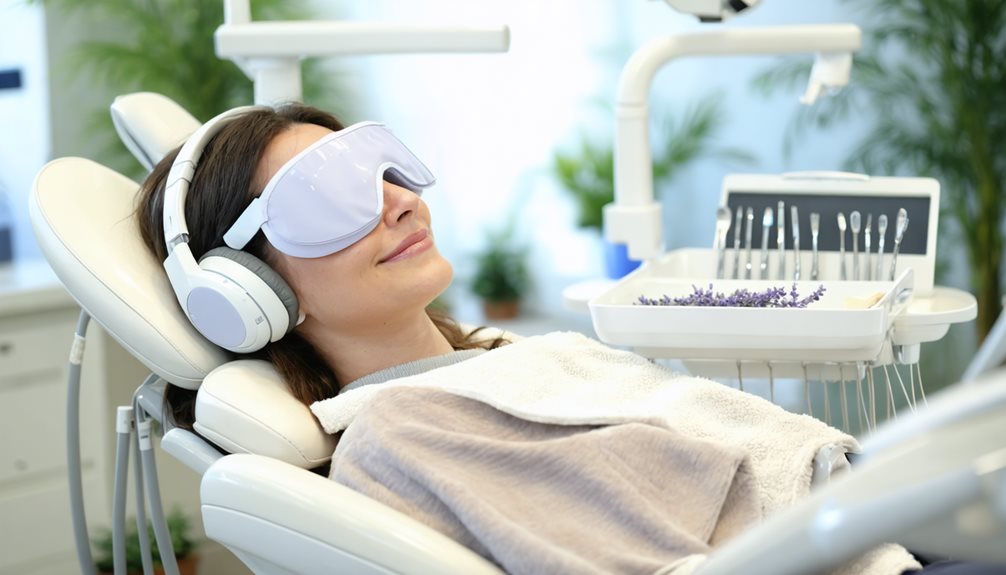
When you’re facing a root canal, the thought might leave you anxious, but it doesn’t have to be a nerve-wracking experience. Choosing the right dentist and understanding sedation options are just the beginning of ensuring a smooth procedure. It’s essential to prepare both mentally and physically, and a few strategic steps can make all the difference. Have you ever considered how timing your appointment or using calming techniques might ease your stress? Let’s explore how to transform this dental necessity into a surprisingly calm and manageable event, where you’ll find comfort in even the smallest details.
Choose an Experienced Dentist
Selecting an experienced dentist is vital for guaranteeing a calm and effective root canal procedure. You want someone with the right dentist qualifications, including certifications and extensive experience in endodontics. This expertise is essential, as it directly influences the procedure’s success and your comfort level. When evaluating potential dentists, prioritize those with advanced training and a proven track record in performing root canals. This guarantees they are well-versed in the latest techniques and technologies, enhancing the precision and efficacy of the treatment.
In addition to dentist qualifications, patient reviews play a significant role in your decision-making process. By reading firsthand accounts, you gain insight into the dentist’s competence, demeanor, and office environment. Look for patterns in patient reviews that highlight consistent positive experiences, particularly in pain management and communication. Such information empowers you to make an informed choice, guaranteeing your needs and expectations are met.
Understand the Procedure
Understanding the root canal procedure is essential to feeling prepared and at ease. With a clear root canal overview, you can approach the process with confidence. During a root canal, your dentist will remove the inflamed or infected pulp inside your tooth, clean the interior, and seal it to prevent further infection. This procedure is designed to save your tooth and alleviate pain, not cause discomfort.
To manage your procedure expectations effectively, know that a root canal typically involves several key steps. Initially, your dentist will take X-rays to assess the extent of the infection. After ensuring the area is numb, they’ll place a dental dam to keep the tooth dry and clean. Using specialized instruments, the infected pulp is carefully extracted. The canals are then disinfected and shaped before being filled with a biocompatible material. Finally, a temporary filling is applied until a permanent crown is placed.
Being proactive in understanding these steps empowers you to communicate effectively with your dental professional. You’ll be more equipped to ask detailed questions, ensuring you fully comprehend each phase of the procedure. This knowledge fosters a sense of control, allowing you to remain calm and focused throughout your root canal experience.
Discuss Sedation Options
When considering sedation for your root canal, you’ll find several types such as nitrous oxide, oral sedation, and IV sedation, each offering varying levels of relaxation and consciousness. Understanding the benefits, like reduced anxiety and enhanced comfort, can greatly improve your overall experience. To guarantee ideal results, follow preparation tips provided by your dental professional, including dietary guidelines and transportation arrangements.
Types of Sedation
Steering through the diverse landscape of sedation options is essential to ensuring a calm root canal experience. Sedation dentistry offers various methods to alleviate anxiety and discomfort. Your first option is nitrous oxide, commonly known as laughing gas. It’s administered through a mask, providing a mild sedative effect that helps you relax while remaining conscious and responsive. This option is particularly suitable for those seeking minimal intervention with rapid recovery.
Oral sedation is another viable choice, involving medication in pill form. Taken before the procedure, it induces a more profound state of relaxation than nitrous oxide. You’ll remain awake but in a deeply relaxed state, with limited awareness of the procedure.
For those requiring a higher level of sedation, IV sedation is available. This method involves administering sedatives directly into the bloodstream, allowing precise control over the sedation level. You may not remember much of the procedure, which is ideal for individuals with higher anxiety or those undergoing longer treatments.
Understanding these sedation options empowers you to make informed decisions, ensuring your root canal experience aligns with your comfort preferences and anxiety levels. Your dental professional will guide you in selecting the best sedation method tailored to your unique needs.
Benefits of Sedation
Sedation’s benefits extend beyond mere comfort, playing an important role in transforming the root canal experience into a more manageable and stress-free process. When you consider sedation, it serves not just to alleviate discomfort, but also greatly reduces anxiety. This is vital for those who feel apprehensive about dental procedures. By incorporating sedation into your treatment plan, you take control of your experience, ensuring that it aligns with your comfort and emotional needs.
Sedation options offer a tailored approach to managing anxiety, accommodating varying levels of nervousness about dental work. Whether you choose nitrous oxide for its mild relaxation or opt for oral sedation for deeper tranquility, the objective remains the same: to provide you with a sense of calm and well-being. The strategic use of sedation benefits extends to minimizing movement during the procedure, allowing for greater precision and efficiency in treatment delivery.
Through sedation, you maintain a level of awareness without the stress that often accompanies dental procedures. This empowers you to focus on healing rather than fear, fostering a positive and proactive approach to your oral health. By embracing sedation, you enhance your overall dental experience, making it as smooth and serene as possible.
Sedation Preparation Tips
To fully benefit from sedation during a root canal, preparation is key. Understanding sedation types empowers you to choose the most suitable option for effective anxiety management. Discuss with your dentist the available sedation types: oral sedation, intravenous (IV) sedation, or nitrous oxide. Each option has distinct effects on your level of consciousness and relaxation, allowing you to remain in control of your experience.
Before your appointment, guarantee a thorough understanding of pre-sedation instructions. These often include fasting for a specific period, as sedation can impact digestion and absorption. Adhering to these guidelines minimizes risks and enhances the sedation’s effectiveness. Also, arrange for a responsible adult to accompany you, as post-sedation effects like drowsiness might impair your ability to drive.
Communicate any health conditions or medications with your dentist to tailor sedation safely to your needs. Maintaining open communication guarantees the chosen sedation type aligns with your health requirements. Finally, practice anxiety management techniques, like deep breathing, prior to your appointment to complement the sedation’s calming effects. By preparing meticulously, you can approach your root canal with confidence and ease, ensuring a smooth and stress-free experience.
Practice Deep Breathing
Deep breathing techniques can greatly enhance your comfort during a root canal procedure. Engaging in these techniques promotes relaxation and reduces anxiety, allowing you to maintain a sense of control. By incorporating mindfulness exercises into your routine, you can prepare your mind and body for a more serene experience. Here’s a structured approach to practicing deep breathing effectively:
- Settle into Position: Find a comfortable chair and sit with your back straight. This posture facilitates ideal breathing, ensuring each breath is deep and full.
- Focus on Breathing: Inhale slowly through your nose, allowing your abdomen to expand. Hold for a moment, then exhale gently through your mouth. Repeat this cycle, focusing on the rhythm and flow.
- Visualize Calmness: As you breathe, imagine a calming scene or sensation. This visualization, combined with deep breathing, helps anchor your thoughts and enhance relaxation.
Schedule Morning Appointments
When you schedule your root canal for the morning, you’ll benefit from your natural early day energy, which can help you manage stress more effectively. Morning appointments often mean reduced stress levels, as you avoid the buildup of anxiety that sometimes occurs later in the day. Additionally, you’ll experience the advantage of fresher staff engagement, ensuring attentive and precise care.
Early Day Energy
Scheduling your root canal appointment for the morning can markedly enhance your overall experience and comfort. When you align your dental visit with your natural morning routine, you harness the day’s initial energy boost to your advantage. This strategic timing allows you to approach the procedure with maximum alertness and mental clarity. Here are three benefits of early day appointments:
- Higher Energy Levels: During the morning, your body is generally more rested and rejuvenated, having just emerged from a night’s restorative sleep. This heightened energy state can improve your ability to remain calm and composed throughout the procedure.
- Enhanced Focus: With fewer distractions and a fresh mind, you’ll likely find it easier to focus on the dentist’s instructions and ask pertinent questions. This guarantees you’re fully informed about the procedure and aftercare, enhancing your sense of control and confidence.
- Consistency with Routine: Scheduling dental procedures in the morning helps maintain your daily routine. This consistency reduces the likelihood of disruptions, allowing you to continue your day seamlessly after the appointment, minimizing any feeling of inconvenience.
Reduced Stress Levels
Opting for a morning appointment can greatly reduce your stress levels during a root canal procedure. By scheduling early, you capitalize on the natural circadian rhythm, which often results in decreased anxiety and heightened focus.
Morning hours allow you to implement effective stress management techniques, ensuring you approach the procedure with a calm and composed demeanor. You’re less likely to encounter the cumulative stressors that build throughout the day, enabling a more controlled, relaxed experience.Incorporating mindfulness practices before your appointment can further enhance stress reduction. Techniques such as deep breathing exercises and progressive muscle relaxation can be practiced in the comfort of your home before heading to the dental office. These mindfulness practices help center your thoughts and regulate your physiological response to stress, providing a sense of control over the upcoming procedure.
Additionally, scheduling a morning appointment minimizes the risk of unexpected delays or conflicts, which can contribute to increased anxiety. By planning ahead, you establish a structured, predictable routine that aligns with your personal stress management strategies. You’ll find this proactive approach fosters a sense of empowerment, ensuring your root canal experience is as calm and serene as possible.
Fresher Staff Engagement
Morning appointments not only benefit patients regarding reduced stress but also guarantee that you engage with a dental team operating at peak performance levels. Scheduling your root canal in the morning allows you to interact with staff who are both mentally and physically refreshed. This state of readiness is a result of effective staff training and team motivation strategies employed by dental practices.
Here’s why morning appointments can enhance your experience:
- Peak Alertness: Team members are most alert and focused in the morning, allowing them to apply their skills efficiently. This results in a more precise and controlled procedure.
- Optimized Staff Training Application: Morning shifts often follow recent staff training sessions. Dental professionals are enthusiastic to implement new techniques and protocols, ensuring you receive the most up-to-date care.
- Enhanced Team Motivation: A well-rested team is inherently more motivated, fostering a positive environment that translates into better patient interaction and support.
Bring Noise-Canceling Headphones
To enhance your comfort during a root canal procedure, consider bringing noise-canceling headphones. This simple yet effective tool helps create a controlled auditory environment, allowing you to manage the often unsettling sounds of dental equipment. By choosing a personalized music selection, you can transform potential stressors into a pleasant auditory distraction, keeping your focus on soothing melodies rather than clinical noises.
When selecting noise-canceling headphones, prioritize models that effectively block external sounds and offer superior sound quality. This guarantees a seamless listening experience, allowing you to immerse yourself fully in your chosen audio content. Whether you prefer calming classical music, engaging podcasts, or ambient soundscapes, the right music selection can greatly improve your overall experience.
Additionally, communicate your plan with your dental care provider before the procedure. They’ll appreciate your proactive approach and can accommodate any technical needs, such as adjusting the volume on your device. This collaboration between patient and provider fosters a supportive atmosphere, allowing you to maintain a sense of control throughout the procedure. By taking charge of your sensory environment, you can transform what might be an anxious experience into one of calm and control.
Use Calming Techniques
While noise-canceling headphones can greatly reduce auditory stress, incorporating calming techniques enhances your overall comfort during a root canal. By adopting strategies like mindfulness meditation and guided imagery, you can maintain a sense of control over your mental state. These techniques require minimal effort but have substantial effects on your experience.
- Mindfulness Meditation: Prior to your appointment, practice mindfulness meditation to center your thoughts and reduce anxiety. Focus on your breathing, allowing each breath to anchor you in the present moment. This practice aids in cultivating a calm and attentive mindset.
- Guided Imagery: Utilize guided imagery by envisioning a tranquil place or scenario. Picture yourself in a serene environment, engaging all your senses. This mental escape can shift your focus away from the procedure, easing tension and discomfort.
- Progressive Muscle Relaxation: Engage in progressive muscle relaxation by systematically tensing and then relaxing each muscle group. This technique not only reduces physical tension but also fosters a sense of bodily control.
Communicate Your Concerns
You’re encouraged to openly share any dental anxiety with your endodontist, ensuring they understand your concerns. Discuss your preferences for local anesthesia, as this can greatly enhance your comfort during the procedure. Your proactive communication helps tailor the experience to your needs, promoting a more calming and effective treatment.
Share Dental Anxiety
Feeling anxious about a dental procedure is more common than you might think, and it’s important to openly communicate these concerns with your dentist. Dental phobia can greatly impact your experience, but taking control of this anxiety begins with candid discussions. By sharing your feelings, you enable your dentist to tailor the treatment environment to your comfort, enhancing your overall experience. Here’s how you can effectively share your dental anxiety:
- Be Honest: Clearly express your fears and concerns. Dentists are trained to understand dental phobia and will appreciate your transparency. This allows them to implement anxiety coping strategies tailored to your needs.
- Ask Questions: Engage with your dentist by asking about the procedure. Gaining knowledge can demystify the process, providing a sense of control and reducing anxiety. Understanding each step can greatly alleviate your apprehensions.
- Discuss Previous Experiences: Inform your dentist about past dental visits that were uncomfortable or distressing. This insight helps them identify specific triggers and avoid them during your treatment.
Taking these steps can transform your root canal experience into a more manageable and less stressful event, ensuring your comfort and peace of mind throughout the procedure.
Discuss Numbing Preferences
Understanding your numbing preferences is fundamental in ensuring a comfortable and stress-free root canal experience. Discussing your concerns with your dentist allows for a tailored approach to pain management, which is essential for those who desire a sense of control during dental procedures. Local anesthesia is the primary method used to numb the area around your tooth, and it’s important to communicate any past experiences or preferences you have regarding its application.
Begin by sharing any concerns you might have about the effectiveness of local anesthesia. Some patients may have experienced insufficient numbing in the past, leading to discomfort. By expressing these concerns, your dentist can adjust the dosage or technique, ensuring maximum comfort. Additionally, if you have a preference for a particular type of local anesthesia due to allergies or previous positive experiences, make sure to communicate this information as well.
Inquire about the duration and aftereffects of the numbing process. Understanding how long the anesthesia will last can help you plan your day better and manage your expectations. Your proactive communication plays an essential role in creating a personalized treatment plan, ultimately leading to a more relaxed and controlled root canal experience.
Plan a Relaxing Day
To guarantee a truly serene experience on the day of your root canal, it’s essential to meticulously plan activities that promote relaxation and minimize stress. Start by scheduling spa treatments, such as a massage or facial, to calm your nerves and relieve muscle tension. These treatments can provide a peaceful environment, allowing you to mentally prepare for your procedure. Additionally, engage in mindful activities that focus on deep breathing and meditation. These techniques can help center your thoughts and reduce anxiety.
Consider the following structured approach to guarantee a day filled with tranquility:
- Morning Routine: Begin your day with a gentle yoga session to improve circulation and ease any physical discomfort. Follow this with a nutritious breakfast that boosts your energy levels and stabilizes your mood.
- Midday Indulgence: Book a late morning or early afternoon spa appointment. Choose services that enhance relaxation, such as aromatherapy or a hot stone massage.
- Afternoon Preparation: Prioritize time for mindful activities like journaling or listening to calming music. These can help shift focus away from any apprehension about the procedure.
Follow Post-Procedure Care
After your root canal, adhering to post-procedure care instructions is essential for a smooth recovery and best oral health. This involves managing discomfort efficiently and ensuring the area heals properly. Initially, focus on pain management techniques that align with your dentist’s recommendations. Over-the-counter analgesics such as ibuprofen or acetaminophen are often suggested, but follow the specific dosage your dentist provides. If prescribed, take antibiotics as directed to prevent infection.
Protect the treated area by avoiding hard or crunchy foods, which could disrupt the healing process. Opt for softer foods and chew on the opposite side of your mouth initially. Keep your oral hygiene routine intact, but be gentle around the treated area when brushing and flossing. Rinse with a saltwater solution to reduce swelling and promote healing.
Monitor for any signs of complications, such as increased pain, swelling, or unusual discharge, and contact your dentist promptly if these occur. Understanding your post procedure instructions empowers you to maintain control over your recovery. By following these guidelines, you enhance the likelihood of a successful outcome, minimizing discomfort and facilitating best healing. Remember, your proactive approach is key to regaining your oral health swiftly.
Frequently Asked Questions
What Can I Eat Before My Root Canal Appointment?
Before your root canal, consume soft foods like yogurt or applesauce to guarantee comfort and ease during the procedure. Prioritize pre-appointment hydration to maintain ideal oral health and reduce potential discomfort, giving you control over the experience.
How Long Does a Typical Root Canal Appointment Last?
Your typical root canal duration is about 60 to 90 minutes. For effective appointment preparation, make certain you’re informed and comfortable with the procedure. This empowers you to maintain control throughout, guaranteeing a smoother, patient-centered experience.
Are There Any Alternatives to a Root Canal?
You’re exploring alternatives to a root canal. Consider natural remedies like oil pulling for minor issues. However, severe cases might require tooth extraction. Discuss these options with your dentist to make an informed decision that prioritizes your dental health.
Can I Drive Myself Home After the Procedure?
Yes, you can drive yourself home after the procedure, provided you’ve not received sedation that impairs your ability. Focus on post-procedure care, including pain management strategies, to guarantee a smooth recovery and maintain control over your experience.
Will My Dental Insurance Cover a Root Canal?
You’ll want to review your insurance policy to determine if it covers root canals. Check for specific coverage limits and exclusions. Contact your provider directly to clarify any uncertainties and guarantee you maximize your benefits effectively.

